
Often talent isn’t enough. Life’s outcomes are shaped significantly by circumstances and fate.
This rings true for one of Albania’s most gifted footballers, whose story has been told like a legend.
Qemal Vogli excelled on the field, he won everything, yet the regime of Enver Hoxha casted him into the shadow of history due to his temptation for a better life.
A captivating tale of courage. He escaped from dictatorship and sought refuge in the West. But his journey was marred by persecution, imprisonment, separation from family, and exile from “the beautiful game”.
This comprehensive biographical account sheds light for the first-time on the life of the Dynamo’s legendary goalkeeper, who spoke little, even when the time came back to talk once again about him.
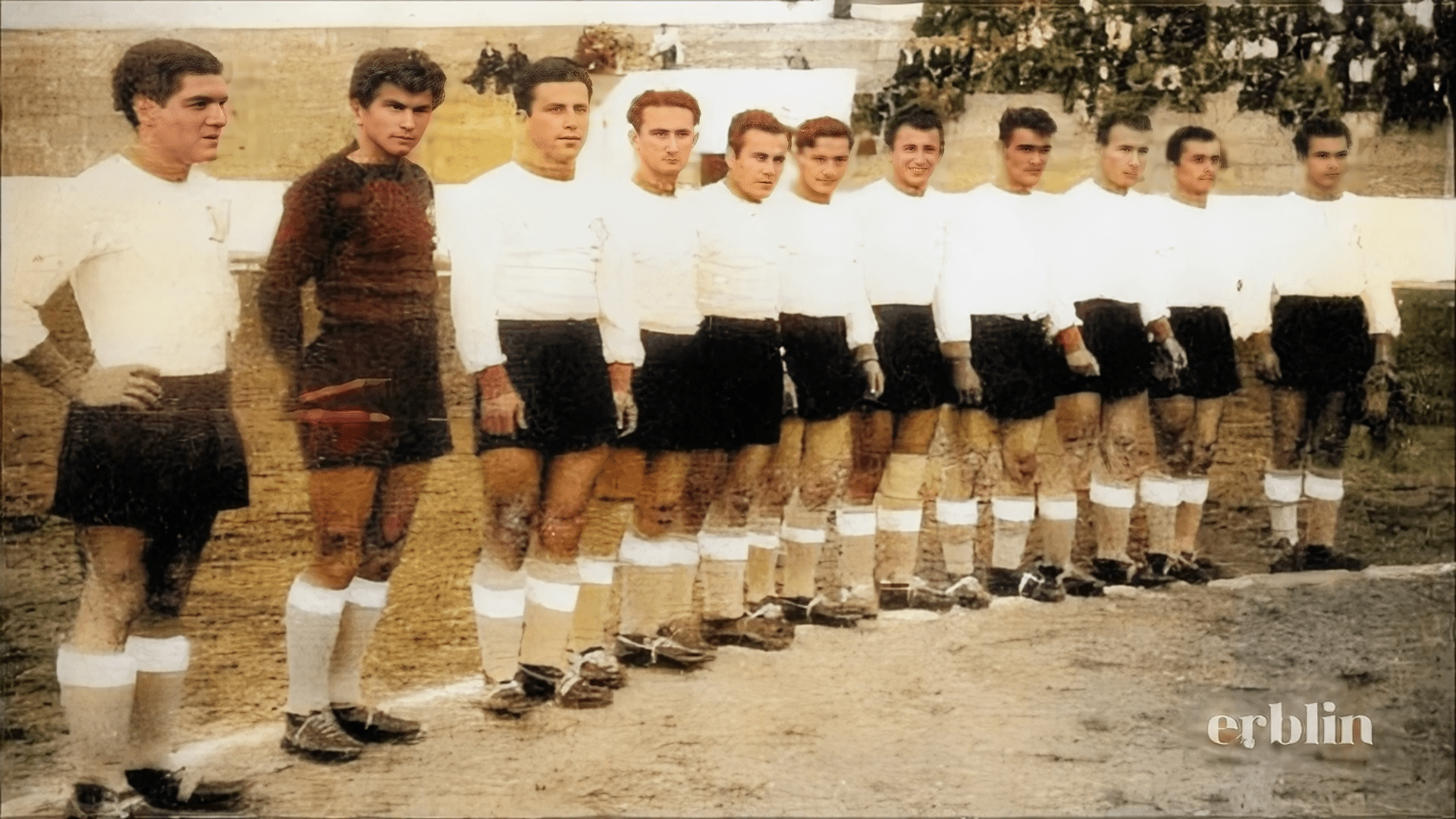
(Note: Most of the pictures in this article, are Illustrative image, not an actual depiction)
From Grosics to Yashin, Vogli’s Career during an Extraordinary Football Era

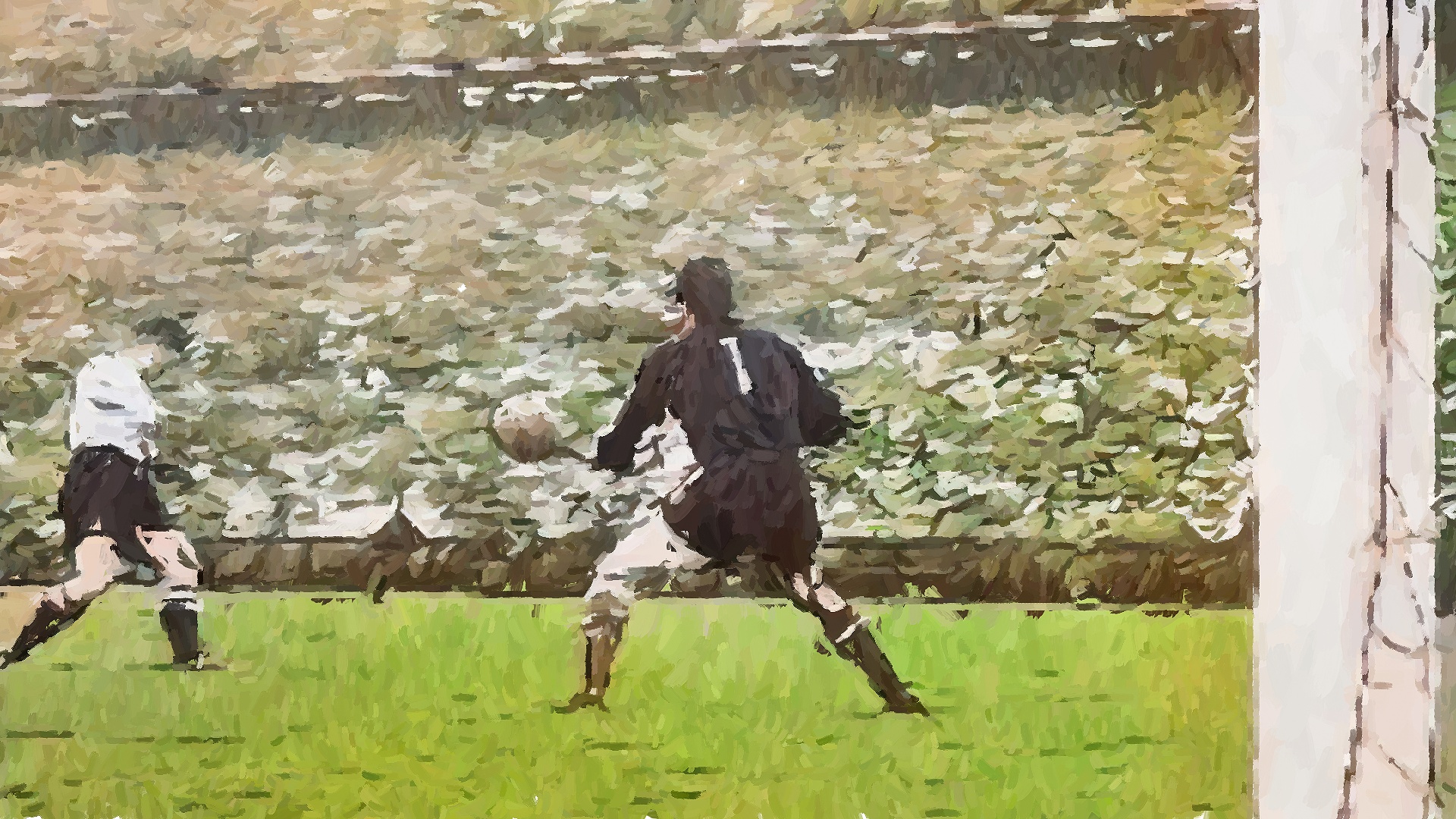
As a goalkeeper, Qemal Vogli reached the heights of his career in the early 1950s. A formidable generation of Hungarians dominated world football at that time, inspiring admiration particularly among The Eastern Communists Bloc.
Until 1956, they were capable of humiliating West Germany 8-3, England 7-1, Turkey 7-1, Finland 8-0, and South Korea 9-0. Considered the “pioneers of total football”, even teams with traditions like Italy, Brazil, Uruguay, or Sweden struggled against them.
From this generation, those who shined the most were Gyula Grosics, Zoltán Czibor, József Bozsik, Nándor Hidegkuti, Sándor Kocsis, and Ferenc Puskás. Meanwhile, the Hungarian who fled to Spain, László Kubala, excelled with Barcelona.
Other luminaries like Didi, José Santamaria, John Charles, Giampiero Boniperti, Gunnar Nordahl, Stanley Matthews, Friedrich Walter, and Alfredo Di Stéfano were stars for their respective national teams, thriving in an era predating Pelé.
Goalkeepers in that era wore black uniforms to distinguish themselves from regular players on the field. That’s why Grosics earned his nickname “Black Panther” due to this and his agility. He served as an inspiration for all goalkeepers of that time.
Even the great Lev Yashin wasn’t an exception. A contemporary of Vogli’s, Yashin would later etch history by clinching the first European Championship with the Soviet Union (1960) and the “Ballon d’Or” (1963) – football’s most prestigious award, exclusively conferred only upon Europeans from 1956 to 1995.
Vogli faced both legendary goalkeepers and even had a brief training stint with Yashin.
Vogli encountered “The Black Panther” during a highly dramatic friendly match for Albania, which ended in a humiliating 12-0 score. It was September 24, 1950, in Budapest. Vogli played only a part of the match. He conceded 5 goals and was later replaced due to an injury. His substitute, Sulejman Maliqati, conceded seven more.
This match stands as Hungary’s most emphatic victory post-World War II and Albania’s most resounding defeat.
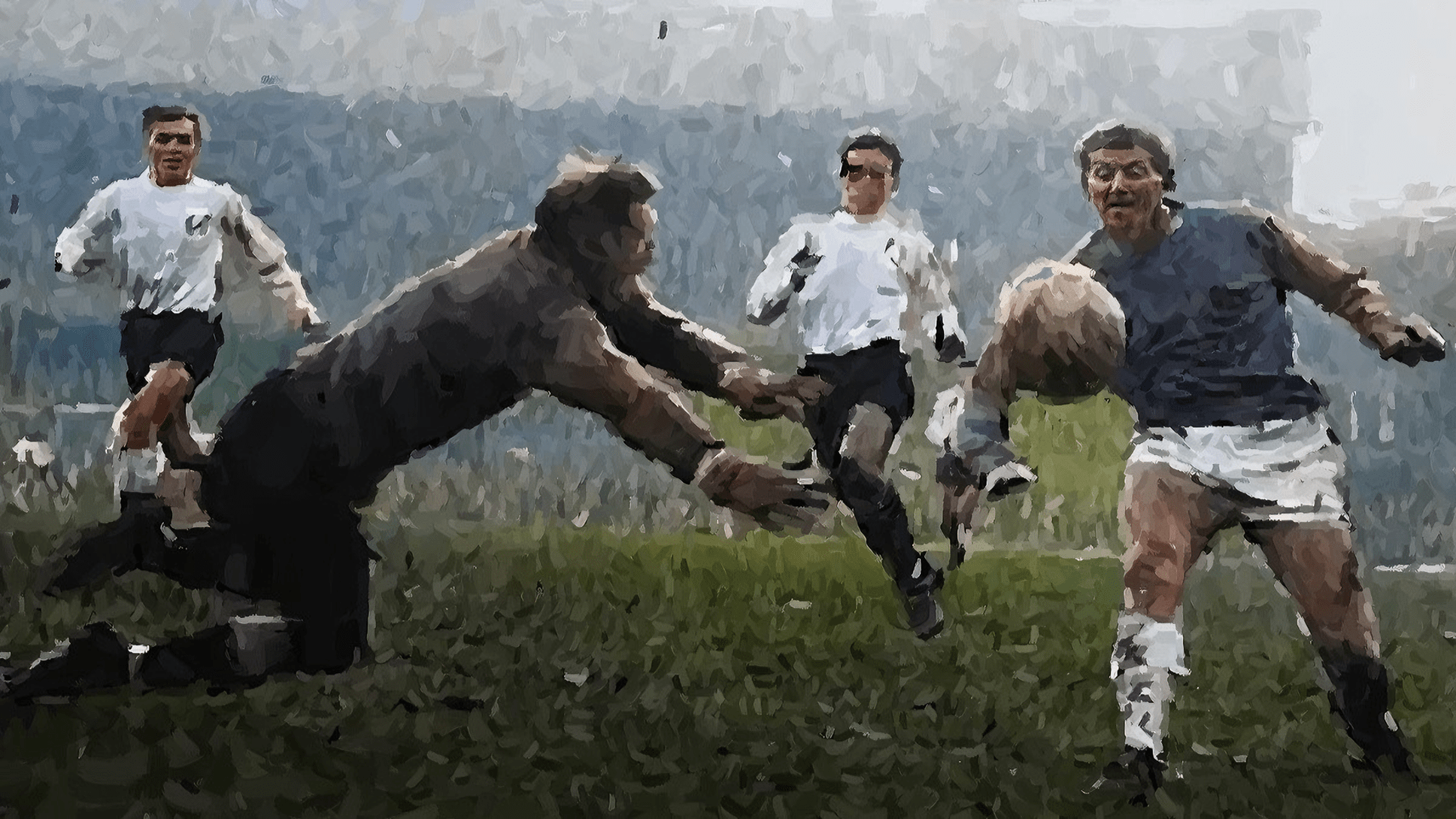

However, the match was marred by the Albanian national team’s turmoil, facing retaliation from State Security (Sigurimi i Shtetit) after the defection of Sulejman Vathi and Bujar Kavaja following another friendly match with Bulgaria.
This match lingered in Vogli’s memory, especially the encounter with Grosics, but most notably the defection of Vathi, his Dinamo teammate.
Vogli faced the other legend, Yashin, in a friendly match between the two Dynamos in Moscow in 1954.
Yashin, “The Pride of Soviet Football” and deemed “Hero of the Working Class”, played during that time almost as a superhuman, earning the nickname “The Black Spider” due to his attire akin to Grosics.
Vogli’s reputation had already been noted by Muscovites during the November 1951 friendlies in Tirana (Albania 1-1 Spartak Moscow; Dinamo 0-3 Spartak Moscow), showcasing his exceptional goalkeeping skills.
Yashin and Vogli, both 25 at the time, held mutual admiration. Protagonist of an extraordinary sporting era in Tirana, Vogli was dubbed “The Black Eagle” in the Albanian sports milieu – his friend Sulejman Maliqati was referred to as “The Black Cat”.
With Dinamo, he would go on to win five cups and five championships with absolute records like 25 consecutive victories and would be part of a golden generation of footballers with Shyqyri Reli, Qamil Teliti, Skënder Begeja, Skënder Jareci, Zihni Gjinali, and Hamdi Bakalli.
However, despite his sporting achievements, Vogli never attained the status of a “Hero of the Working Class” like Yashin. Instead, his legacy was marred by oblivion after defecting to the West on September 3, 1956, following the footsteps of Vathi and Kavaja.
At 27, after merely a decade as a professional footballer, many in Albania expected at least another five years at the top in sports.
Driven by emotional circumstances, Vogli defected to West Berlin after a match with Dynamo Berlin. The infamous “Berlin Wall” had not yet been built at that time, meanwhile Hoxha’s dictatorship used to punish defections with death or at least 25 years in prison.
Since 1956, Qemal Vogli’s story has been told through hazy memories, few documents and no historical contexts. This article fills up the gaps and summarizes all his story by referencing the dossier kept by the State Security, but not only that.
The Genesis of a Champion Under the Pressures of a Dictatorship

Qemal Vogli was born in Kavaja’s Zguraj neighborhood on a debatable date between March 15 and September 29, either in 1929 or 1930. This period in Albania coincided with King Zog’s reign.
A certificate from 1975, archived by the State Security, states that Qemali was born on March 15, 1929. However, other records indicate September 29, 1929, while Vogli himself claimed 1930.
It’s likely that his age was intentionally “adjusted” on documents to facilitate his entry into older football age groups.
Vogli remains a contender for the youngest player in the Albanian national team record. If born in 1930, he might have debuted at 16 instead of 17, preserving this record, though this remains a subject of debate.
Officially, Ramën Çepele – aged 17 years, 7 months, and 21 days – is the youngest player ever to have played for the Albanian national team (Friendly: Albania 2-1 Kosovo, November 11, 2020).
His early years were marked by Albania’s most challenging historical periods: from the monarchy’s end in 1939 due to fascist occupation and World War II to subsequent communist rule under Enver Hoxha.
Hoxha’s regime immediately launched severe persecutions against so-called “collaborators” and “overthrown classes.”
The Vogli family was persecuted due to suspected ties with “The National Front” (Balli Kombëtar), labeled “enemies of the people” for collaborating with the Nazis. Qemal’s brothers – Mahmut and Xheladin – were imprisoned, leaving him responsible for his mother, sister, sister-in-law, and nephews.
The communists pursued the Vogli family at a time when they had lost their patriarch, Baki, and their eldest son, Myslim.
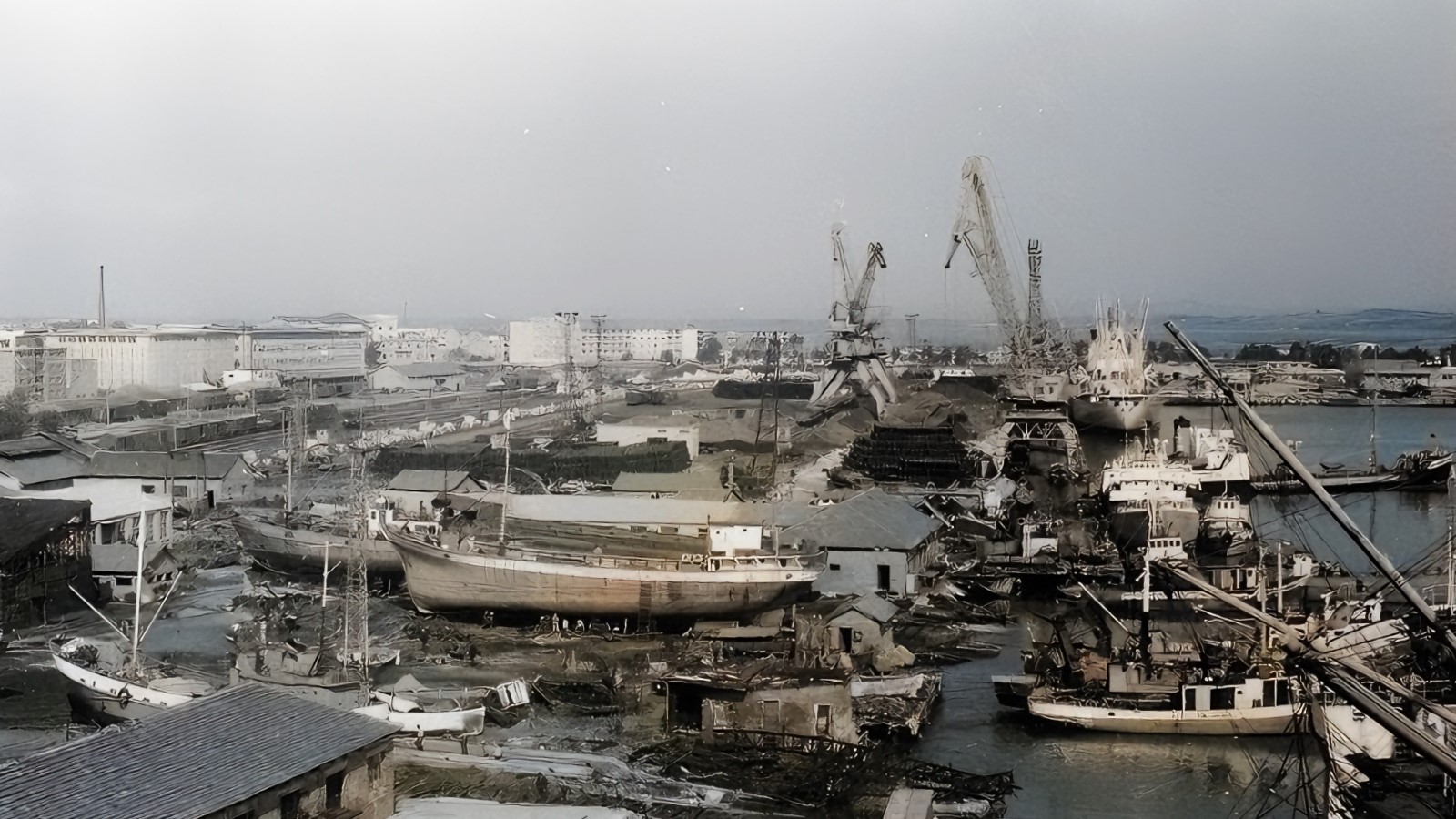
Amidst this hardship time, football became Qemal’s escape. His talent as a goalkeeper for Besa of Kavaja at 16 led him to join the Red Star (Ylli i Kuq) team in Durrës (today Teuta). Standing between 1.75 and 1.8 meters tall (175 according to Stasi’s files; not taller than 180 according to those who knew him well), he gained national attention, debuting for the national team on May 25, 1947, during the Balkan Cup (Albania 0-4 Romania).
While excelling in football, Vogli worked as an assistant welder in the port of Durrës, an environment infiltrated by State Security informants who closely monitored him, even on personal matters.
Throughout the years, numerous collaborators reported on Vogli, analyzing his background, associates, and behavior. This surveillance persisted until 1991 when the regime fell and officially the State Security was reformed.
Despite pressure to cooperate, Vogli declined to collaborate with the regime.
When he was 18, he faced a serious situation at work, risking being arrested. However, he seems to have been spared because high-ranking Party officials noticed and supported his sports abilities.
“In 1950, Vogli, a very good sportsman (goalkeeper) of Dinamo, has shown himself as a very good player, displaying willingness and courage. Simultaneously, from 1950 to 1954, he was in connection with our organs as an informant, but in this regard, he hasn’t provided anything because he didn’t want to collaborate,” says a high ranked official of State Security in a report.
“For this, in 1954, he was excluded as a collaborator, considered worthless, and didn’t receive the non-disclosure statement because he didn’t want to leave,” stated another secret Security report.
In 1950, the Albanian communist dictatorship formed the Dinamo Sports Club, modeled after the Soviet Dynamo Moscow, which was patronized by the Ministry of Internal Affairs.
Vogli, about 19, caught the eye of coach Ludovik Jakova. Upon his recommendation, he was moved from Durrës to Tirana. But separating from family was tough for him.
After his father’s death and the imprisonment of his two brothers, he became the head of the family. His mother, Haxhire, was his weak point.
In the capital, the club arranged for him to work as a welder at the Ministry of Internal Affairs’ office. This was more to keep an eye on him because of his biography.
Successes with Dinamo brought him extraordinary popularity and support from The Party. For five years, records were set, and consecutive trophies were won.
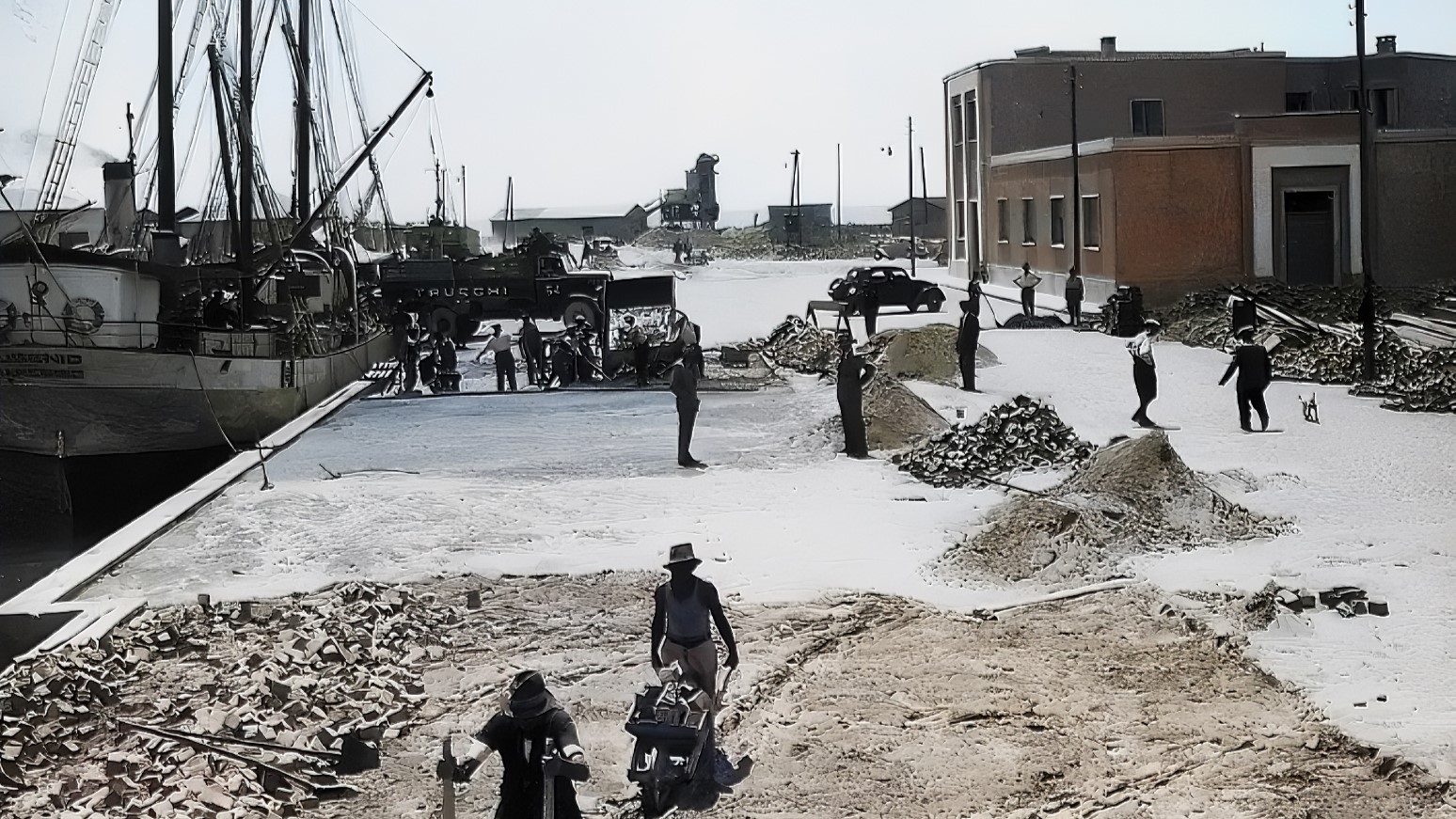
This popularity and support, especially from the Deputy Prime Minister, also then Minister of Internal Affairs, Mehmet Shehu, who saw football as a way to “agitate the masses,” made the State Security to step aside when reports of Vogli engaging in smuggling on foreign trips surfaced.
“Vogli, once returning from a national team tour abroad, smuggled a considerable amount of sewing machines, millstones, and others, which he had concealed in three bicycle compartments. He sold these and made around 400,000 leks,” reported two informants in April and June 1955.
In fact, most Dinamo or Partizani players back then bought and sold goods under the radar whenever they traveled abroad, gaining a form of privilege from non-punishment by the leadership. During this period, Vogli was accepted as a member of the Labour Party, earning even higher esteem and shielding from the authorities.
The most zealous collaborator, nicknamed “Biblioteka e Pogradecit,” was a guy called Llambi Llampiri. He was a former convict employed as a mechanic in the Ministry of Internal Affairs’ office in 1950 specifically with the goal of being an informant.
There, he befriended Vogli and reported everything about him to the Security, even the strained family relationships Vogli was going through with his wife.

In some reports in June 1955, State Security learned that Vogli was contemplating escape.
The informant was instructed by the Security to maintain an avid interest in this topic and to try to gather as many details as possible about Vogli’s plan.
“Stay sad while connecting it with the bad treatment supposedly done to you, then express suspicion that you are not getting work. If he begins the conversation about escape, try to get as many details as possible on how he’s organizing it, if he has other friends, but be careful not to arouse suspicion,” instructed the Internal Branch to the informant.
Contrary to expectations, Vogli denounced Llampiri for “provocation” and “attempted escape”, to avoid a possible arrest. It’s likely that Llampiri’s report was uncovered by the Security operatives, or someone in The Party that shielded Vogli, and he might have been directed to officially denounce the person who was spying on him to avoid accusations.
Thus, on December 27, 1955, under suggestions from Lieutenant Hajredin Hoxha, Colonel Helim Xhelo, and Major Nuri Çakerri, the testimonies gathered from Llampiri against Vogli were deemed “invalid,” although Vogli’s denunciation was considered “belated.”

Qemal Vogli fled one year after these reports, on September 3, 1956. At the time Minister of Internal Affairs, Kadri Hazbiu, had ordered measures to keep him under special observation and had also ordered his “isolation” if reasonable suspicions for escape arose.
Vogli’s departure caused a political upheaval within the nomenclature circle and the structure of the State Security, which couldn’t prevent it.
In all testimonies and reports about Vogli’s history, it remains unclear how he left and returned to Albania. Did he change his mind and returned by himself, or was he apprehended and forcibly brought back due to the collaboration between the Security and foreign communist agencies?
His escape led to a prison sentence of 15 years, of which he served five, followed by internment in labor camps, banning him from football. Continual surveillance persisted until 1991, suspecting him of being a “secret German agent.”

The severest consequences for Vogli were separation from his daughter and a lifetime ban from playing football. Though his story could have been a remarkable one in Albanian sports, his passion for the game was unjustly curtailed by the regime’s actions.
The archiving of Vogli’s file seems to have involved the destruction of numerous documents. Yet, within the file, there remains a correspondence kept with STASI, the counterpart of the State Security in East Germany.
But why was Vogli’s capture and return of interest to Hoxha’s regime?
It’s likely that the Security’s engagement was aimed at discouraging the population as Vogli was the third case of a prominent athlete escaping after the Vathi-Kavaja duo.
Qemal Vogli might never have been able to win Olympic medals, European Cups, or “Ballon d’Or” like Gyula Grosics or Lev Yashin did. However, if he had been allowed to continue to play football, his story would have been a far more fantastic one in Albanian sports, a story that would have remained unforgettable.
The Escape: Qemal Vogli’s Moves
The escape of the Albanian national football team’s goalkeeper, Qemal Vogli, in 1956, remains a mystery to this day. The protagonist chose never to disclose the true version of events. Meanwhile, many others have spoken about it, but with few facts and documents.
How did Vogli manage to escape? Did he act alone, or did someone assist him? Most importantly, how did he evade the State Security, which had numerous officers and collaborators within the Dinamo team?
This article reconstructs the context, chronology, and dynamics of Vogli’s movements based on testimonies, the file held by the State Security, and materials secured from other sources.
At that time, Dinamo, the champion of Albania, embarked on a series of friendly matches with champion teams from the communist bloc.
On August 1, 1956, Dinamo traveled to Czechoslovakia, first to Prague, where they played against Dinamo Prague (now Slavia Prague). A week later, the team journeyed to western Czechoslovakia, to the city of Kladno, where they played against the local team, Banik Kladno.
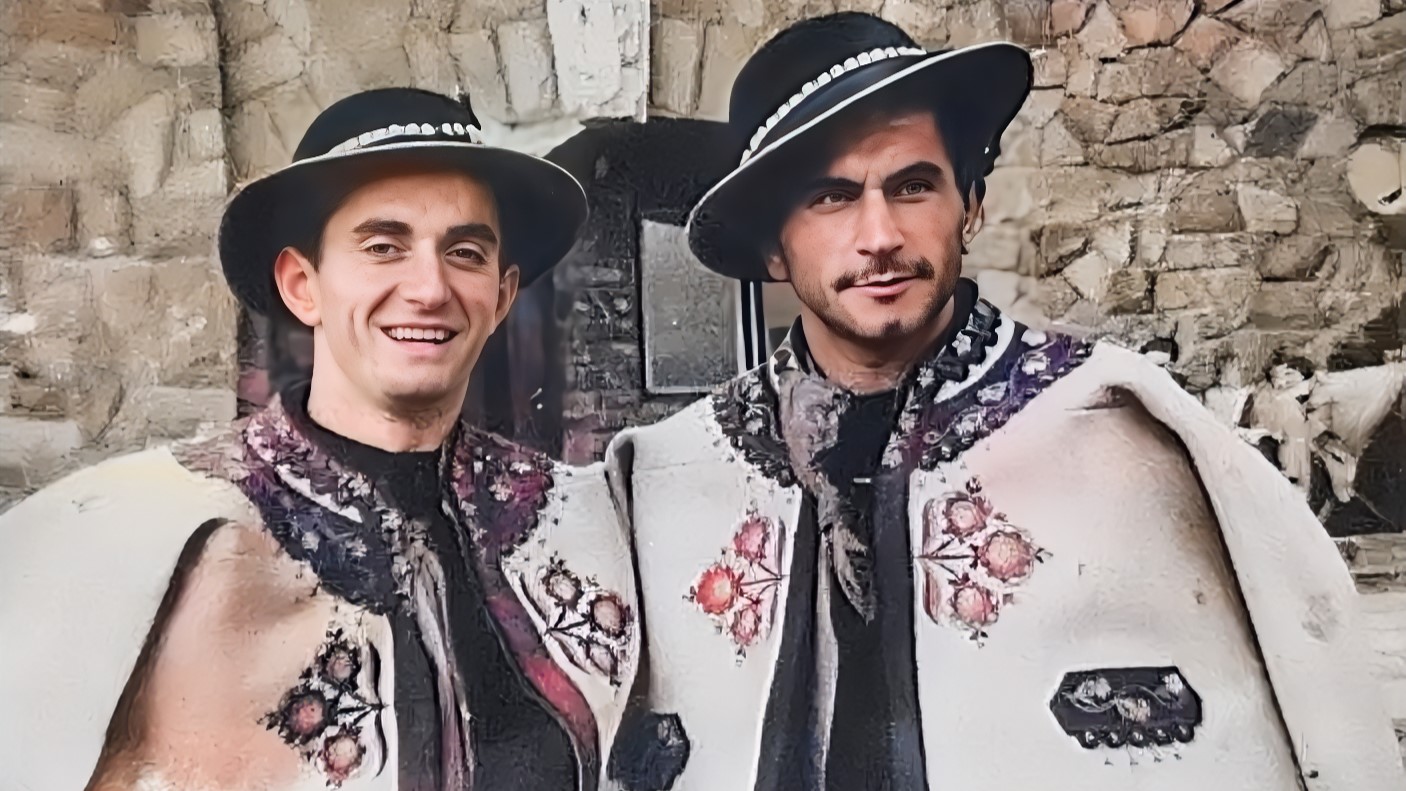
On August 15, 1956, Dinamo departed Czechoslovakia for East Germany, which after World War II was controlled by the Soviets and was known by them as the German Democratic Republic (GDR).
On the other side, West Germany, organized as a Federal State, was controlled by the West Allies. Berlin, though situated in the east, was split between the winning parties of the war, turning the western side of this city into a political enclave due to the Cold War among the former allies.
In GDR, Dinamo initially stopped in Senftenberg, around 140 km (about the distance from Washington, D.C. to New York City) far from Berlin, playing against SC Activist Brieske-Senftenberg, then the third team in the East German championship. A week later, on August 29, Dinamo Tirana faced Dynamo Berlin’s team.
At that time, Dinamo Berlin played at the 70,000-seater “Walter-Ulbricht ” stadium, located in one of East Berlin’s main districts, Mitte, which was a border dividing the influences between East and West Berlin. Notably, during the Cold War until 1989, West Berlin was referred to as the “Island of Freedom” as it promoted a freer lifestyle beyond the so-called “Iron Curtain.”


Three daily air routes connected West Berlin to West Germany. Despite strong political clashes between the camps, at that time, crossing Berlin’s side was possible. This intensified security agencies’ involvement, preventing escapes and even organizing kidnappings. However, details of this will be discussed more precisely later in this dossier.
In a report after Dinamo Tirana’s match with Berlin’s team in late August 1956, the State Security’s main branch was informed that, in collaboration with the STASI, they had engaged 50 officers to prevent a possible escape of members from the Albanian team before and after the match.
However, the notion of being in such proximity to the free world likely lingered in Qemal Vogli’s thoughts. Memories of his former teammate at Dinamo, Sulejman Vathi, may have crossed his mind. Vathi had escaped five years earlier by jumping from the ship during their return from a friendly match with Bulgaria near the Bosporus Strait.
But how did Dinamo’s itinerary continue in GDR?
After the match with Dinamo Berlin, the Tirana squad initially moved to Leipzig. They stayed there for a day until they were accredited to stay at a lakeside residence near Wukensee Lake in the town of Biesenthal (Bernau), about 20km (about 12.43 mi) northeast of Berlin.
Vogli escaped from this residence on September 3, 1956. Dressed only in his training gear, without taking anything with him, leaving behind speculation about how he departed and the reasons that led him to do so.
Later in his testimony to the State Security, Vogli mentioned that he had contemplated escaping after the match with Dinamo Berlin. He recounted having a relationship with a girl who, along with an acquaintance of hers, had explained to him how to cross into the West.
Regarding the border area near the stadium where they played, Vogli learned from a German and his companion, who were in their car, that had come to watch the match. Vogli mentioned, “The companion of this person was immoral. I went [for sex] with her, and others [from the team] also went.”
In fact, the State Security had been informed about Vogli’s possible escape intentions by officers Gani Goxhaj, Mehmet Caka, and Gani Kodra on August 29. They were dispatched explicitly to oversee the team. Goxhaj joined the group on the order of the Director of External Intelligence, Zoi Themeli, while the team was in Czechoslovakia. This happened because the Security structures considered the absence of a special verification commission for these friendly matches very problematic.
Meanwhile, within the team, collaborators, including Sulejman Maliqati and Xhevdet Shaqiri, were tasked with monitoring Vogli. They reported suspicious behavior by Dinamo’s goalkeeper, who, according to them, had asked “numerous questions about the roads leading to West Berlin” and “sought explanations as to why passports were taken from the footballers.”
Vogli was also said to have asked officials several times to stop in East Berlin “to find a doctor to visit his arm.” However, this request was denied several times because of suspicion that he was plotting something.
In response, according to a telegram from the Minister of Internal Affairs, Kadri Hazbiu, officers were instructed to take measures to prevent a possible escape and even granted permission to “take isolation measures if necessary.”
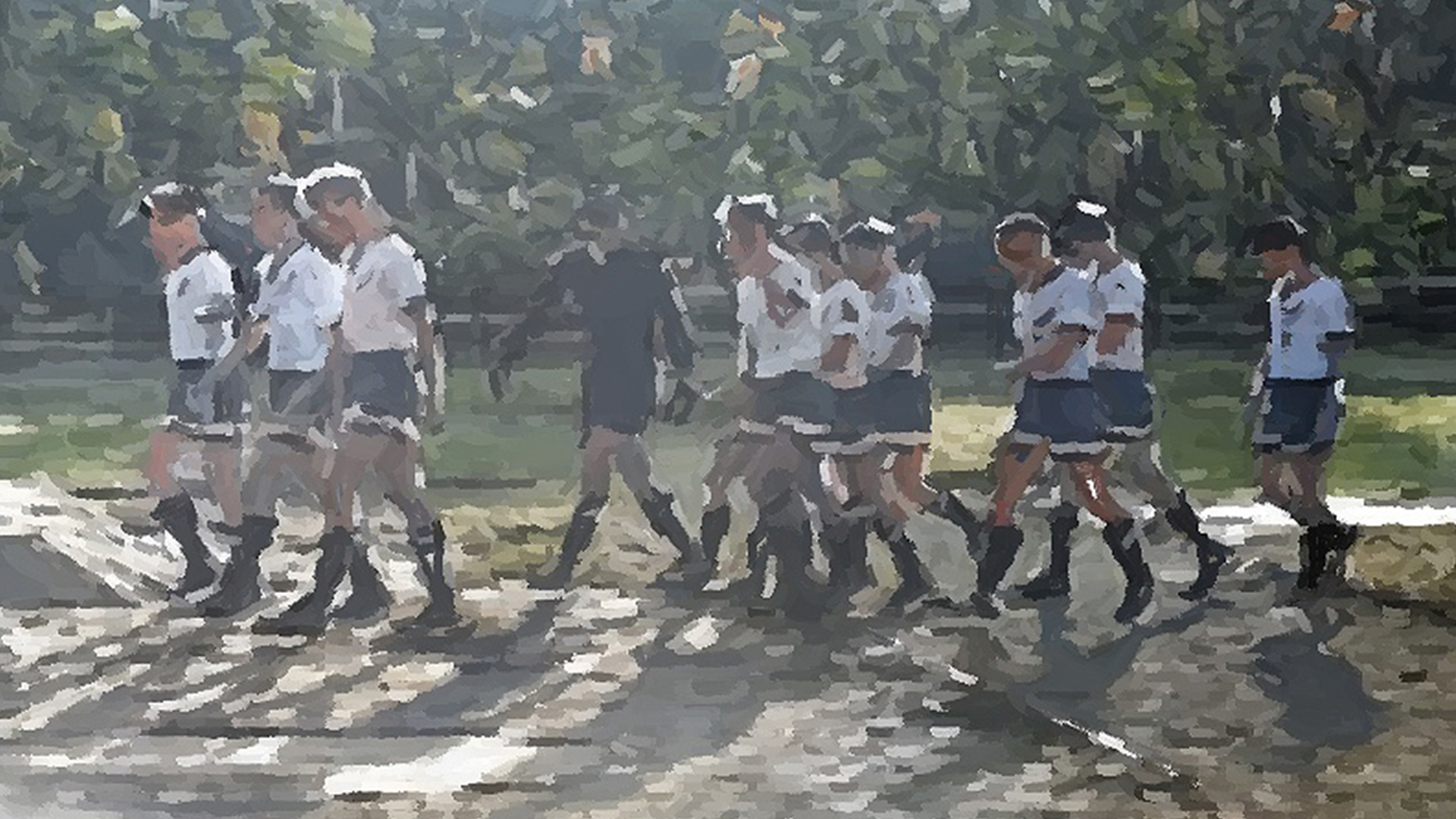

Observing that Vogli did not escape immediately after the match at the “Walter-Ulbricht” stadium, Goxhaj, Caka, and Kodra might have concluded that he wouldn’t attempt it anymore, as they were already in a residence far from the western side. But Vogli surprised everyone.
Subsequent reports held by Security officers spoke of Vogli’s meeting “with a German girl before he disappeared from the residence,” raising suspicions that “he might have fallen into an espionage trap.” However, it remained unclear if this was the same girl he met before the match with Dinamo Berlin.
At this time, Vogli was 25 years old. Traveling outside Albania witnessing a different reality had spurred his desire for a different life. Additionally, he seemed to be going through a challenging period within his family.
Security collaborator reports mentioned conflicts with friends and his six years younger wife, Hysmete. The State’s Security received frequent reports describing Vogli in a troubled psychological state. The couple had a daughter, then two years old.
Since 1949, Vogli had traveled with Dinamo and the Albanian national team to almost all eastern socialist countries, visiting the Soviet Union, Poland, Romania, Hungary, Bulgaria, and Czechoslovakia. He had gained a clear picture of life beyond Enver Hoxha’s dictatorship. However, none of these trips had raised significant concerns in reports.
But how did Qemal Vogli manage to escape? What did the State Security say and do about his departure? Who was the last person to see Vogli before he vanished from that holiday camp in Bernau?
It was September 3, 1956. The team from Tirana was in the third day of their stay at the residence near Lake Wukensee on the East German side, approximately 20 km northeast of Berlin.
Vogli woke up a bit later than the rest of the team, around 9:30 AM. Following breakfast, he joined the group in the outdoor area, which included players not only from Dynamo but also from Partizani, such as Miço Papadhopulli, Gani Merja, Fatbardh Deliallisi, and Sulejman Maliqati, who had gathered for friendly matches with the main team of Dinamo.
Vogli, along with other players like Skënder Begeja, Skënder Jareci, Zihni Gjinali, and Xhevdet Shaqiri, went to the town of Biesenthal for shopping. Accompanying them were journalist Anton Mazreku and referee Gole Sheshi.
Returning earlier than the shopping group to the holiday residence, Vogli and Shaqiri decided to relax by the lake. At this moment, they are intrigued by the presence of two girls nearby. However, their encounter was disrupted by the intervention of Security officer Gani Kodra.
“There were two girls there. One was bathing, while the other was sitting. I went closer and started a conversation. At this moment, Gani Kodra comes, and I shout at him: ‘Can’t I be left alone even here?!’ And I stood up angrily to leave,” – as quoted in Vogli’s testimony to the Security, who, in general by the authorities, was specified as “not knowing foreign languages.”
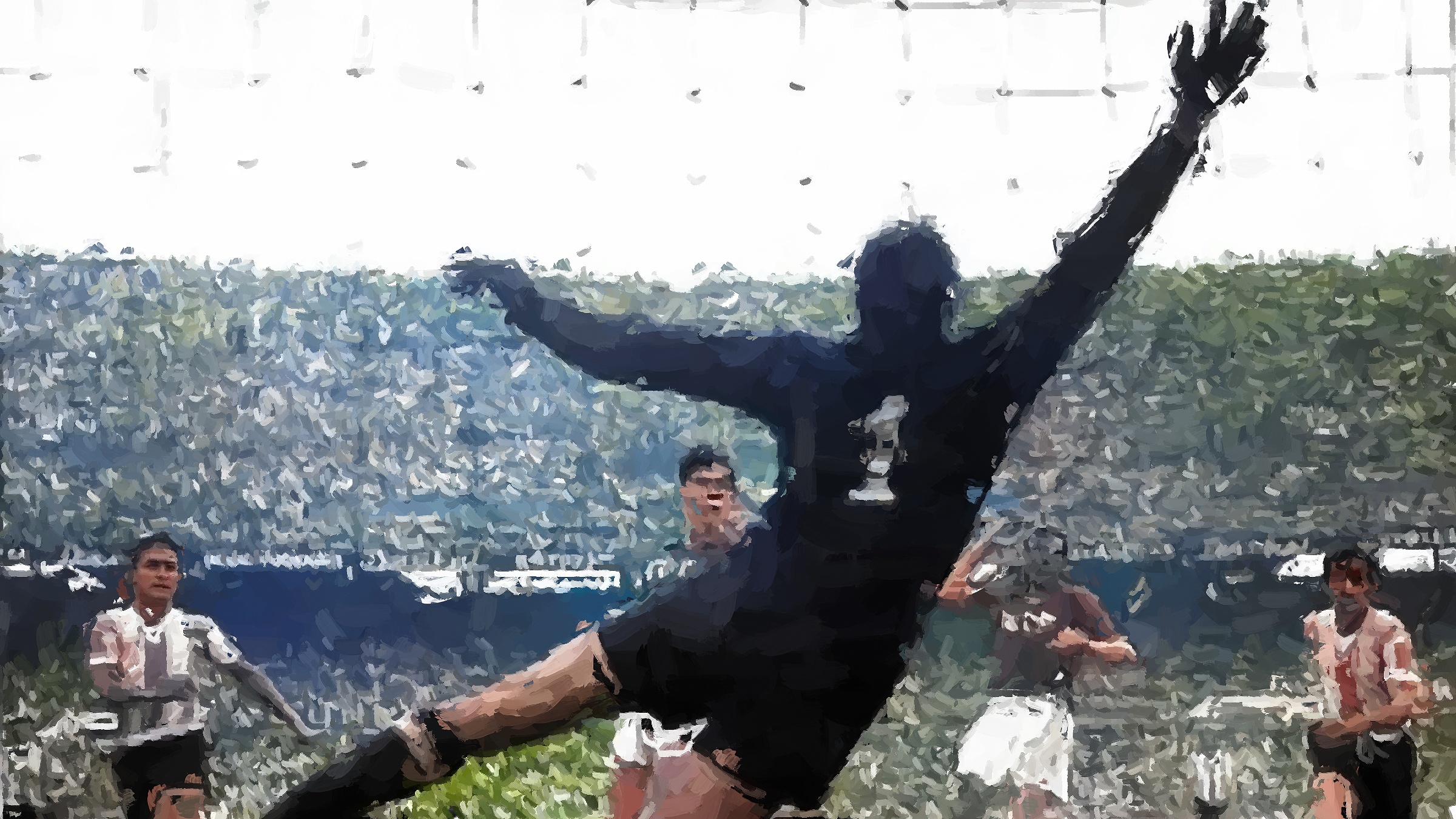

Vogli was deceptive about his language abilities. He “knew a little Italian, German, and Russian,” as he later confirmed in his narratives. However, he never clarified whether any one of those girls was the one he had met before the match in Berlin. Nevertheless, this moment appeared crucial for the unfolding events.
In State Security reports, Vogli was described as in a troubled state, he had clashed several times with officers Kodra and Goxhaj. Vogli himself mentioned these conflicts in the testimony he later provided to the Security.
The last people Vogli talked to before his “disappearance” were Shaqiri, Jareci, Merja, and Sheshi.
In his testimony to the Security, the former Dinamo goalkeeper claimed to have decided to escape at that moment, around 12:20, due to nervous tensions. He lied to the group, stating he was going to the nearby town “to get a haircut,” and alleging that one of the lake girls had “winked at him.”
“They asked me where I was going, and I asked them for a haircut, and then the girl in front of me winked at me, so I’m going. In fact, that girl didn’t even gesture to me. Angry as I was, I started my way to Berlin,” – as quoted in his testimony.
Around 13:00, the former Dinamo goalkeeper left the holiday residence. Contrary to his claims, he understood German, coordinating with locals he found the right direction to Berlin.
According to his personal testimony, Vogli made this move alone, avoiding main roads. For about three and a half hours, he walked from Lake Wukensee southwest through the wooded area of Biesenthaler marsh.
After approximately 12 km of walking, he reached the town of Bernau, which is at least 10 km far from Berlin.
At the holiday center, Vogli’s absence was noticed around 13:30 when the group entered the dining hall for lunch. Colonels Goxha, Caka, and Kodra initiated a search. Since Vogli was not found in the dormitory or the nearby town where he had shopped in the morning, a more organized search was coordinated but proved futile. Vogli was not found.
Four hours later, Colonel Gani Goxhaj informed the East German authorities, who engaged in a broader search perimeter.
In Security reports, a rural bus driver testified to the search group that he had taken Vogli at that time, describing him as “a young man, dressed sporty, but didn’t know where to go.” He left Vogli at the final bus station in the town of Bernau. On September 4, 1956, he saw him again there and reported it to the police.
Security suspected that Vogli was in the company of a girl who might have sheltered him. However, in his testimony, Vogli insisted that he was alone, denying taking any bus or spending the night in Bernau.
On the contrary, he stated that he arrived in the town in the afternoon, learned that he could reach Berlin by following the railway line, and continued walking until around 21:30 when he reached the central train station in East Berlin.
It’s worth noting that during this period, intercity travelers heading to Berlin were required to have identification. Therefore, Vogli, even though he didn’t mention it, must have been informed in advance to avoid public transport to the city entrance. Alternatively, he might have been accompanied by someone who knew the way and could communicate well in German. In this case the presumed unknown girl.


Furthermore, Vogli’s testimony takes a more intricate turn. He asserts that, through deceiving a German citizen by claiming to have forgotten his wallet at home, he volunteered to purchase a tram ticket for him. Notably, the German even instructed the ticket controller to notify Vogli when the tram would reach “Walter-Ulbricht” stadium.
“I boarded the tram within 30 minutes. Once the controller told me, I got off the tram and made my way to the stadium. I went around it and went to the border area. I was aware where the border was […] I crossed it around 10 in the evening,” – Vogli articulated in his testimony, subsequently detailing the challenging experience he had after that dealing with French, British, and American authorities.
Taking advantage from the darkness, Vogli eludes the guards on the eastern side of the stadium and infiltrates the indoor facilities. The sports complex featured a modest perimeter fence. He directed himself towards the northwest sector, where a private building with a sizable courtyard stood. Vogli surmounted the enclosing wall of this structure and then another wall, ultimately reaching the western side.
After the escalating political divisions between the West and East factions, the “Walter Ulbricht” stadium was demolished in 1960, and a section of the “Berlin Wall” was subsequently erected.
Furthermore, Vogli’s testimony to the State Security is not convincing as well. In fact, the dates and the duration of the entire period in which Vogli stayed outside Albania remain debatable, and his file is contradictory and lacking in many documents. It’s likely that the data has been altered during archiving.
The Camps Calvary and the Attempt to Play in West Germany
The period of Qemal Vogli in the West during 1956 remains a mystery. Little has been said and analyzed about it, while various versions speak of his involvement with a German club. But what truly happened after Vogli crossed into West Berlin? How did his journey in the West unfold?
Initially, Vogli surrendered to the West German police, spending the night of September 3, 1956, at the police station. The next day, after revealing he had escaped from the East, they informed the French authorities.
The French conducted a brief interview and passed him on to the Americans, who during that time were more actively involved in cases of people fleeing communist dictatorships. Vogli told the Americans, mainly in Italian, that he had decided to escape because he was against Hoxha’s regime and wanted to join his brother who had left Albania for Italy shortly after World War II.
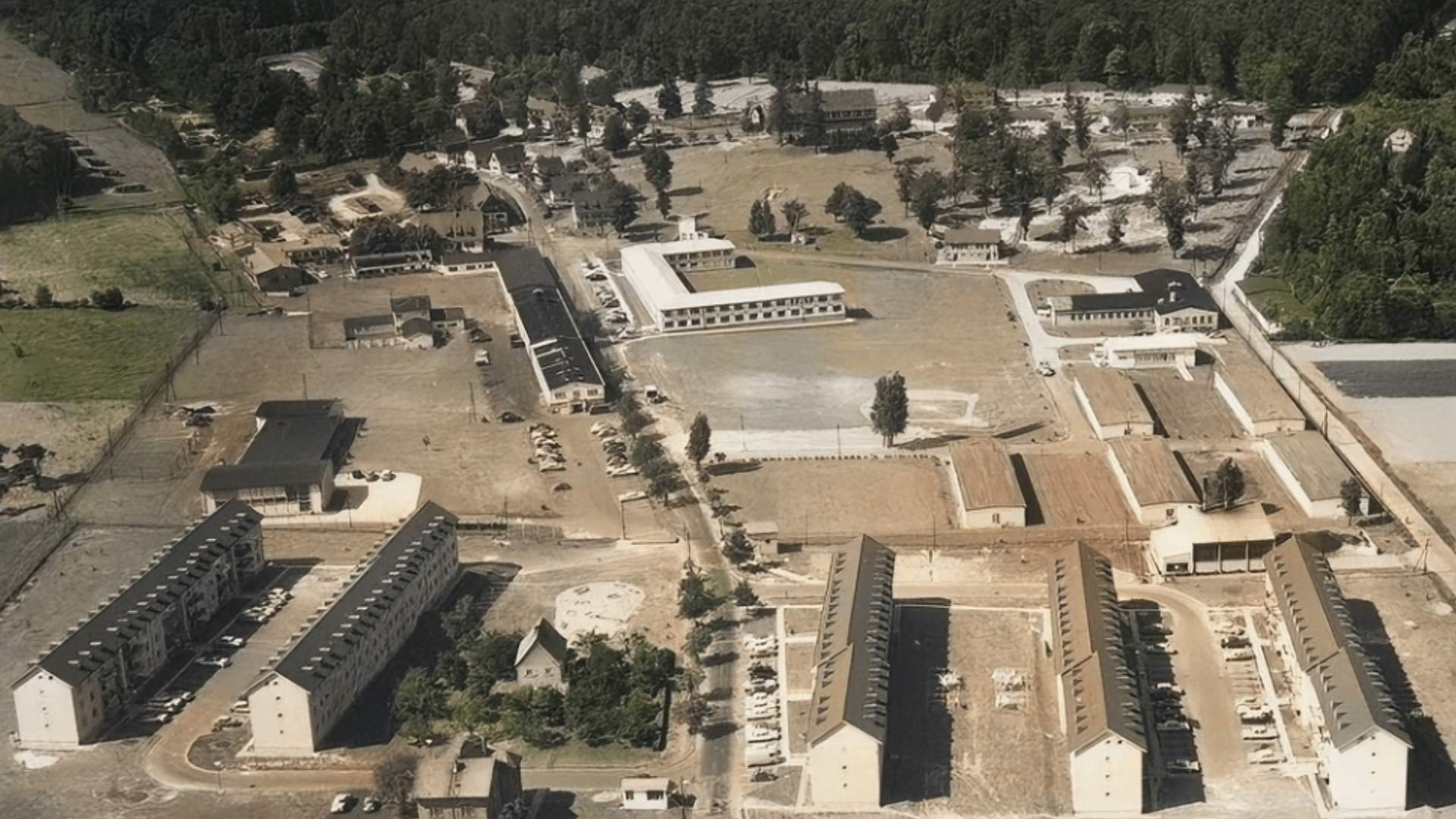
They took pictures of him, fingerprints, and placed him in a villa on the outskirts of West Berlin along with dozens of other foreigners who had escaped those days. In that house, Vogli stayed for three days, waiting for a direct flight to one of the American bases in Frankfurt.
On September 7, 1956, after a three-hour flight and a journey by military truck, Vogli settled in the so-called “Camp King” in Taunus, Oberursel, about 15 km (about 9.32 mi) north of Frankfurt. In this camp, the 513th US Brigade was mobilized, which until 1969 would gather information for counterespionage on behalf of the Central American Command in Europe. The latter had its base in the center of Frankfurt and was commonly known as the “Pentagon of Europe.”
For four days, the former Dinamo goalkeeper was questioned on various topics. The American side was primarily interested in political and military information. Questions like the number of reservists in Albania, the presence of the Soviet military in the country, and the popularity of the Labor Party were among those asked.
It’s worth noting that Albania was part of the Warsaw Pact, which was formed a year before Vogli’s escape to West Germany. This treaty united the military forces of the Soviet Union, Poland, Romania, Hungary, Bulgaria, Czechoslovakia, and Albania.
In essence, the Warsaw Pact was an attempt by the communist bloc to organize a military force against the expansion of the North Atlantic Alliance (NATO), which, at that time, had included Turkey and Greece and had given the green light to the rearmament of West Germany.
In his testimony to the State Security, Vogli states that in that camp in Frankfurt, he met an Albanian-American named Shehat Osmani, who continuously sought information from him on organizational matters. Osmani had fled Albania in the late 1940s and, as Vogli said, was later recruited and engaged by the Americans to facilitate the reception process for those escaping from the Balkans.
According to Vogli’s testimony to the State Security, they offered him the possibility to work with the Americans, but in front of Osmani’s questions about military aspects of Albania, he played “the fool,” refusing and insisting that he “knew nothing.” After this, the Americans moved him to another camp in Nuremberg.
On September 11, 1956, he settled in “Camp Post Nr.35,” about 6 km northwest of the city of Nuremberg. He stayed there until September 17. He mentioned befriending a Romanian doctor who, after learning that the young Albanian was a footballer, recommended that he should met the president of a club to see if he could be engaged there.
Vogli says that precisely this doctor, whose name he does not mention, helped him move from Nuremberg. He gave him a letter to hand to the president, facilitated his departure with permission from the American camp, and provided tickets for him to travel from Nuremberg south to Munich.
It is unclear how Vogli managed to move towards Munich and, even more so, to secure a trial with a German club at a time when he hadn’t his Albanian passport, which was held by Dinamo officials in East Berlin.
“There, I met the club’s manager, and they took me for trials to test me. I went for trials twice, on Tuesday and Friday […] since I had no clothes, they bought me a [sportswear] suit and shoes, with the idea that they would deduct it from the salary I would receive,” – Vogli testifies, mentioning that the club was called TSV 1860 München.

The former Dinamo goalkeeper later says in his testimony that the club manager had arranged for him to work in a factory “for 500 marks a month,” but he did not go there to work because he “did not feel well physically.”
Undoubtedly, the most successful German football club is Bayern Munich. But this wasn’t the case in the 1950s. At that time, the most successful in Bavaria and all of Germany was FC Nürnberg, followed by Schalke 04. Meanwhile, in Munich, alongside Bayern, TSV 1860 also stood out.
It is worth mentioning that after World War II, until 1963, West Germany had not had a unified football championship. Football was played at the regional level. Bavarian clubs played in the Oberliga Süd, which was one of the five regional championships held in the Federal Republic of Germany.
In 1956, when Vogli was in Munich, TSV 1860 München was going through a difficult time as it had fallen to the second tier of the southern regional league.
Official sources indicate that the team was penalized with two points “due to the engagement of a player without complete documentation” that season. However, there is no accurate information about who this player was. Also, Vogli’s name does not appear in any official club register, neither for the first team nor the reserves.
Thorsten Ruinys, the author of the statistics book dedicated to TSV 1860 München, “Das Löwen Kompendium,” says that he “has never heard or encountered Vogli’s name in the club’s archives.”
Similarly, Claus Melchior from the History Department of TSV 1860 München says, “there is no information about Vogli.”
“Of course, in any period, there have been trial phases with players in training, but usually, they were not archived. I do not exclude that this could have been Vogli’s case, but it is certain that he could not secure an official contract,” – emphasizes Melchior.
However, the editor of the local newspaper “Sechziger.de,” Stefan Bink, says that Vogli may have been engaged using a false identity. Even though Bink himself does not believe that Vogli ever played official matches with TSV 1860 München, he says, given the circumstances of his political escape, “it was not beneficial for him that his name could be coming up in public through sports activities.”
Vogli’s attempt to play in West Germany seems to have been in complete obscurity. In fact, from his testimony, he says that he spent a short time in Munich, intending to leave for Italy to join relatives there.
It is unclear how accurate the truth stands. Still, it is certain that the strong feeling of insecurity and the psychological turmoil Vogli experienced during that period must have hindered his focus on sports.
The Return of Vogli to Albania: Official Version and the Irony of Fate
From 1956 until today, the story of Qemal Vogli holds a mystery regarding his return to Albania. Officially, it is claimed that he “voluntarily returned after seeing the horrors of the imperialist world,” but rumors suggest that “he was captured and brought back by the State Security.”
Vogli himself never spoke about this part of his life after the fall of communism, taking his version of the truth to the grave. Only his testimony given to the State Security officers and the court materials held during the trial where the forced witness Sulejman Maliqati was summoned remain.
But how did Qemal Vogli return to Albania, the man who shook Tirana by realizing one of the most extraordinary escapes in the history of the dictatorship? Below, we present the officially propagated version by the regime, a version accompanied by Vogli’s personal testimony during the trial.
About three weeks after escaping to the West, first in West Berlin, then in Frankfurt, and further to Nuremberg, the former Dinamo goalkeeper claims to have stayed a few days in Munich and then illegally crossed into Austria with the intention of reaching Italy. There, he had his brothers he hadn’t seen for about ten years.
While staying at the Frankfurt camp, through the Albanian-American Shehat Osmani, Vogli had managed to learn the address in Florence of Met Gjinali, the brother of Zihni Gjinali, former captain of Besa and a teammate at Dinamo. He had also sent a letter explaining the situation and asking for assistance and guarantees for the procedures of relocation from the German camps to Italy.
It is unknown whether Vogli received a response from Gjinali’s brother. It is possible that his letters were returned, or the procedures were denied by the American authorities. This might be the reason why he moved to another camp in Nuremberg.
But let’s continue with the official version.
From September 17, 1956, until September 21, Vogli stayed in Munich, where he expected to join the TSV 1860 München club. The next day, in the morning, he asked for permission from the manager, claiming he “needed to return to Nuremberg to meet some friends.”
He had about 40 marks with him – around €100 in today’s value. However, as Vogli explains, he did not head north. Instead, he boarded a train to the southeast of Munich, precisely to Freilassing, a border town with Austria.
“[…] I set off for the Austrian border with the intention of crossing it to reach Italy,” Vogli explains in his testimony to the State Security, recounting that in the Nuremberg camp two Yugoslavs named Vladimir and Zoran Ivanovic had shown him this border town and the route he had to follow.
After World War II, the northwestern borders of Yugoslavia experienced a massive exodus. In addition to minority populations, thousands of Croats and Slovenes also took advantage of emigration. For this reason, the Yugoslavs were familiar with the paths of crossing borders.
“[…] I arrived in Freilassing around 10:30. From there, I started walking [to cross the border] to Salzburg. After an hour, I entered a forest, there was water, it wasn’t deep, so I passed through the villages, and thus, I crossed into Salzburg around four in the afternoon,” Vogli recounts.
In Salzburg, the former Dinamo goalkeeper exchanged the 40 marks for Austrian shillings and boarded a train to Villach, a southeastern border town with Italy and Yugoslavia. There, he arrived after about six hours of travel and had to spend the night at the train station.
The next day, on September 23, 1956, Vogli tried to cross the border by train. His plan was to continue to the Udine region in northern Italy, but he was intercepted by Austrian authorities without passing through.
Initially, Vogli told the police that his name was Zoran Ivanovic, mistakenly thinking that by presenting himself as Yugoslav, they might allow him to pass. But in vain.
“[…] then I gave my real name because they brought me a Yugoslav as a translator, and I didn’t know how to speak Yugoslav,” Vogli explains to the State Security.
Fearing that he would be sent back to Germany or in prison, the former Dinamo goalkeeper escaped from the police station by jumping out of the window. From there, he headed towards the mountainous area to the southwest, with the idea of crossing the border into Italy on foot.
He managed to do so but was caught by the Italian side, who deported him, handing him back to the Austrians.
The Austrian border police sent Vogli to a camp in Villach, where, as he describes it, there were mostly Yugoslav escapees, but also Albanians. Here, the former Dinamo goalkeeper claims to have stayed for about 20 days (about 3 weeks).

It was precisely at the Villach camp that Vogli learned that Austria expected to play a friendly match in Vienna with Hungary on October 14, 1956. From this arose the idea that “he should try to return to Albania through acquaintances he said he had in the Hungarian team,” which he had encountered with the Albanian national team in September 1950.
“[…] I left the camp without permission and waited for a ticket to Vienna,” Vogli says in general terms.
The former Dinamo goalkeeper is said to have traveled for about 6 hours by train from Villach to Linz and then to Vienna. He explains that he avoided ticket inspectors “by pretending to be asleep.”
In Vienna, he did not make it on time for the match, which was played at 2:30 PM. But nevertheless, by inquiring, he managed to find where the Hungarian team was staying and waited for hours for the players in the hotel lobby.
“[…] after asking where the Hungarian athletes were, I found the hotel […] after that [Marton] Bukovi [the coach] came, who recognized me. Later [Ferenc] Puskas came,” Vogli says in his testimony.
“Speaking in Russian,” the Albanian footballer tells the Hungarians that he “found himself mistakenly in West Berlin, deceived by a German girl” and that “now he was trying to return to Albania,” so he sought their help.
“I told them that I was deceived by the Germans through a girl which by whom they kidnaped me […] I begged them to help me pass [to Hungary], and thus my crossing [for the return] was organized,” Vogli continues.
According to Vogli’s testimony, the Hungarians, accompanied by an embassy employee, provided him with a fake document, and through communication with the Albanian embassy in Budapest, they organized the passage of the former Dinamo goalkeeper towards the east.
“These [Hungarians] took me to Budapest […] with a fake identification letter, made by the Hungarian embassy in Austria, [and then] I went to the Albanian legation in Budapest and then came here [to Albania],” Vogli says in his testimony.
He was officially placed under arrest by the Albanian police on October 21, 1956, three days before Hungary was plunged into severe political turmoil.
Ironically, the match on October 14, 1956, in Vienna, is the last one with the Hungarian national team for what will remain in the history of football as the “Golden Team, Magical Hungary.”
Exactly Puskás with his teammates, most of whom were engaged with Budapest Honvéd, two months later, on December 20, 1956, would not return to Hungary. Unlike Vogli, their “escape” concluded with great football success.
After the match with Athletic Bilbao in the UEFA Champions League, which was postponed several times due to the “Hungarian Revolution” (October 23, 1956 – November 4, 1956), brutally suppressed by the Soviet army, Puskás, Kocsis, Czibor, and others decide not to return to Hungary but to continue a solidarity tour across Europe.
The first, engages with Real Madrid and shines with a mesmerizing success story. The other two also successfully moved to Barcelona under the guidance of their compatriot Lazlo Kubala.
In this context, for Vogli, we can say that talent was not enough. Circumstances, or fate, played a decisive role in his life’s history, and if there had been a different moment, why not he could have also had football success in Europe.
 erblinvukaj.blog